
If you’re looking for a side hustle, Amazon FBA is likely one you’ve heard of. But be warned — it can be one of the most expensive side hustles you’ll ever try. In this post, I’ll share my first month results, from sales to expenses, and break down whether it’s worth the investment. While I cover a lot of details, if you just want to know the numbers, feel free to skip to the end. But if you want the full picture, stick around for insights on everything from course costs to logistics.
What is Amazon FBA?
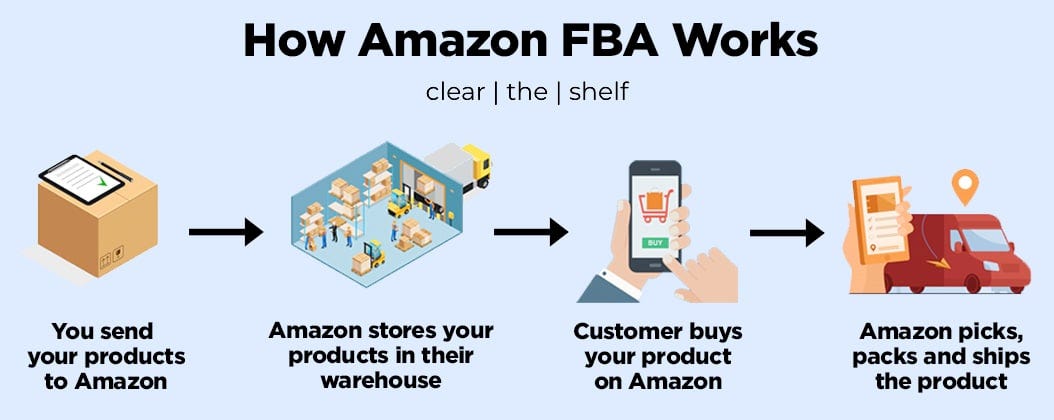
Amazon FBA stands for “Fulfilled by Amazon,” which is essentially a program where Amazon stores, packs, and ships products on your behalf. There are several ways to make money with Amazon, including retail arbitrage, wholesaling, and drop shipping. However, I went with the private label route — this means I found a manufacturer in China, put my brand on the product, shipped it to Amazon’s warehouses, and let Amazon handle the rest.
While I could have pieced together free online resources, I decided to invest in formal education. I signed up for a course called Marketplace Superhero, which offered ongoing coaching, weekly meetings, and access to a Facebook group. This support system wasn’t cheap — it cost between $7,000 to $10,000 — but I was looking to save time and gain confidence.
The Long Road: My Timeline and Process
From the time I purchased the course to the time my product went live on Amazon, it took about a year and a half. This delay was partly due to balancing my full-time job, YouTube channel, and coaching business. But finding the right product and setting everything up also contributed to the lengthy timeline. Picking a product is one of the most critical steps in determining your success on Amazon, and it took me a while to land on something I thought had potential.
I aimed to offer a premium version of an existing product, hoping that customers would appreciate the upgrades. Spoiler alert: they didn’t care. This taught me a valuable lesson — research your product thoroughly before deciding whether it’s worth upgrading or offering a premium option.
The Costs Add Up
One thing I didn’t anticipate was how expensive the process would be. Product photography, for example, is essential for selling online, but it can be costly. Fortunately, professional photography was included in the Marketplace Superhero course I took. Product listings, too, are crucial, and back then, AI tools weren’t available to make the job easier, so I had to rely on the support from my course.
Once everything was set up, I listed my product, which was an airplane footrest.
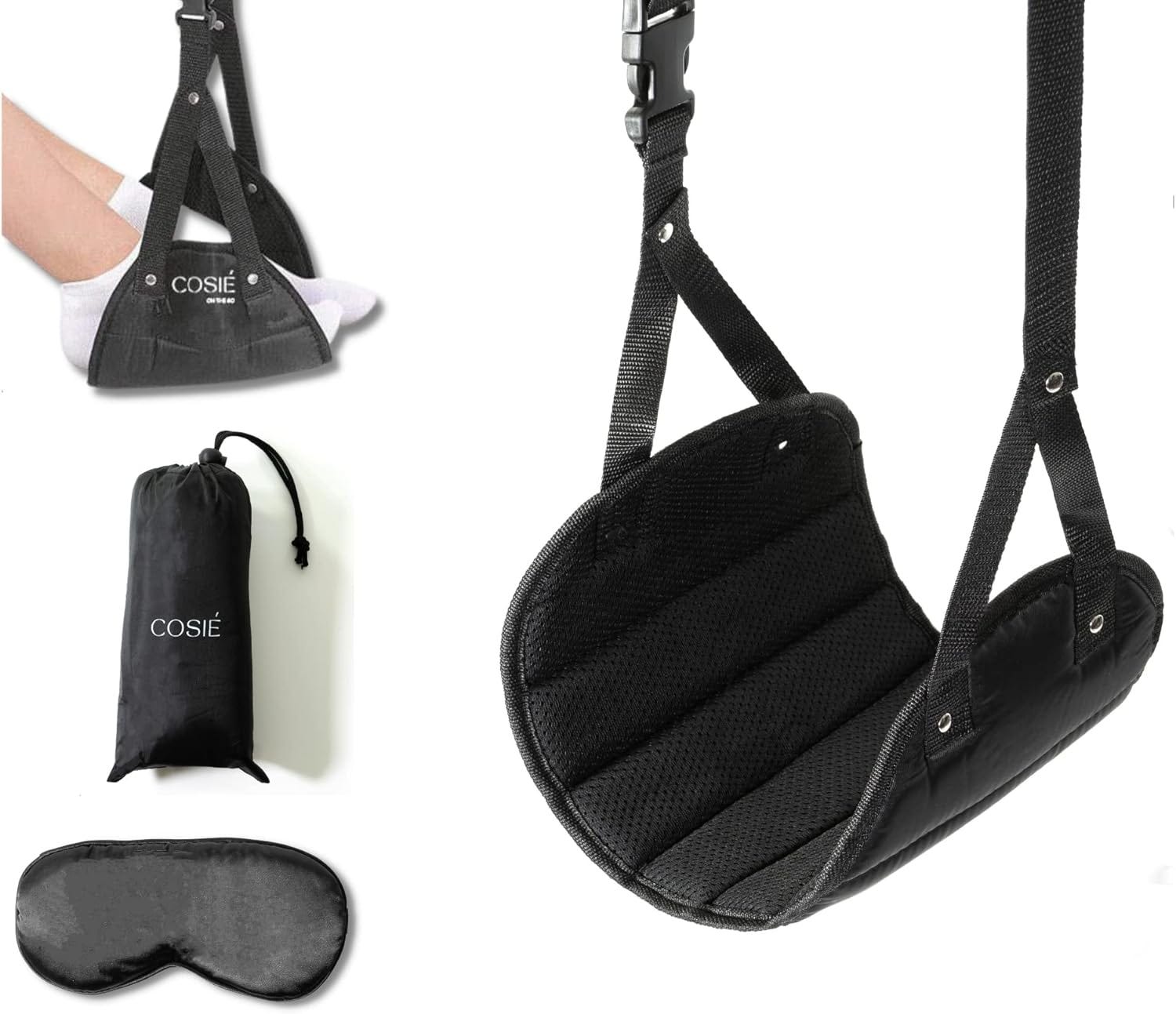
The cost to manufacture each unit was about $3, and I initially priced it at $19. When no one was buying, I had to lower the price to $15.
The Numbers: First Month Sales and Profits
In my first month:
Sales — $652 .
Expenses — (including Amazon’s FBA fees) $481.67,
Profit — $70.33.
Not a life-changing amount, but for the first month in a saturated market, it felt like a win. Keep in mind that this doesn’t include the course fees or initial investments like shipping, product design, and manufacturing. If you add all those in, I was solidly in the red — likely down around $20,000.
However, there are some advantages for new Amazon sellers. Amazon offers incentives like $200 in PPC (pay-per-click) credit, which covers advertising costs. I used that credit in my first month, and without it, I would have lost more money. Amazon also provides coupon credits and access to Amazon Vine, where you can send products to verified reviewers in exchange for feedback. While I didn’t use Vine for my first product, it became helpful in later launches.
Lessons Learned
- Research is key: Don’t rush into a product without fully understanding its market. It took me over a year to finalize my product choice, and even then, it wasn’t the best decision.
- Don’t overspend on premium upgrades unless you’re sure your customers will value them.
- Utilize Amazon’s new seller incentives like PPC credits and Vine reviews to help boost your visibility.
- Be prepared for long-term investment: Amazon FBA is not a get-rich-quick scheme. You might not see substantial profits until your second or third year.
While the upfront costs were high, I don’t regret the experience. The learning curve was steep, but it taught me a lot about e-commerce and running a business. If you’re considering Amazon FBA, I’d recommend doing thorough research, starting small, and being prepared for the financial and time investment.
Final Thoughts
If you’re curious about Amazon FBA and want to give it a shot, it’s important to go in with realistic expectations. Yes, you can make money, but it takes time, effort, and often more cash than you’d think. If you’ve tried Amazon FBA or are thinking about it, I’d love to hear about your experiences in the comments. Don’t forget to like and subscribe if you want more content on side hustles and passive income ideas!
 Christina's Side Hustles
Leave a comment