
So, I recently stumbled upon a trending side hustle that’s been buzzing all over the internet — Pinterest Affiliate Marketing. As a regular Pinterest user and someone who loves exploring new side hustles, I was instantly intrigued. I wanted to dive into what this is all about and whether it’s a viable way to make money.
In a nutshell, Pinterest Affiliate Marketing leverages Pinterest’s vast user base — primarily women looking for inspiration across fashion, home decor, fitness, and more. You can pin images or videos to your boards, embedding affiliate links to products or services you recommend. When someone clicks your pin and makes a purchase through your affiliate link, you earn a commission. And the best part? You don’t even need to create the content yourself — you can repurpose others’ content with credit or use images directly from the brands.
Intrigued by the simplicity and passive potential of this side hustle, I decided to give Pinterest affiliate marketing a shot for 90 days so you don’t have to. Here’s how it went!
Step 1: Pick a Niche
Before jumping into Pinterest affiliate marketing, the first thing you need to do is pick a niche. I know, I know — you’re tired of hearing about the importance of niches, but trust me, it matters. Pinterest is dominated by women, so it’s wise to choose a niche that caters to that demographic. Popular niches include fashion, beauty, home decor, fitness, and jewelry.

Personally, I decided to dive into the luxury furniture niche, mainly because I’ve been really into home decor since we recently bought a house. Plus, pinning all the cool furniture I can’t afford yet is oddly satisfying!

Step 2: Sign Up for Affiliate Programs
After choosing your niche, the next step is signing up for affiliate programs. The Amazon Associates program is a good starting point due to its ease and ubiquity. However, if you want to maximize your earnings, high-ticket affiliate programs are worth exploring.
I also discovered Mavely, an affiliate marketing network that automatically gives you access to various brands without needing to apply for each one. This was a time-saver, as it allowed me to promote a diverse range of brands, from fashion to home decor.
Step 3: Create a Pinterest Business Account
You’ll want to convert your Pinterest account to a business account to unlock the analytics dashboard. This lets you track how your pins are performing and the traffic they generate.
A quick tip: When setting up your business account, don’t select the “Online Retailer or Marketplace” option — it restricts your ability to create affiliate pins. Instead, go with “Creator/Influencer” to keep your account flexible for affiliate marketing.
Step 4: Start Creating Pins
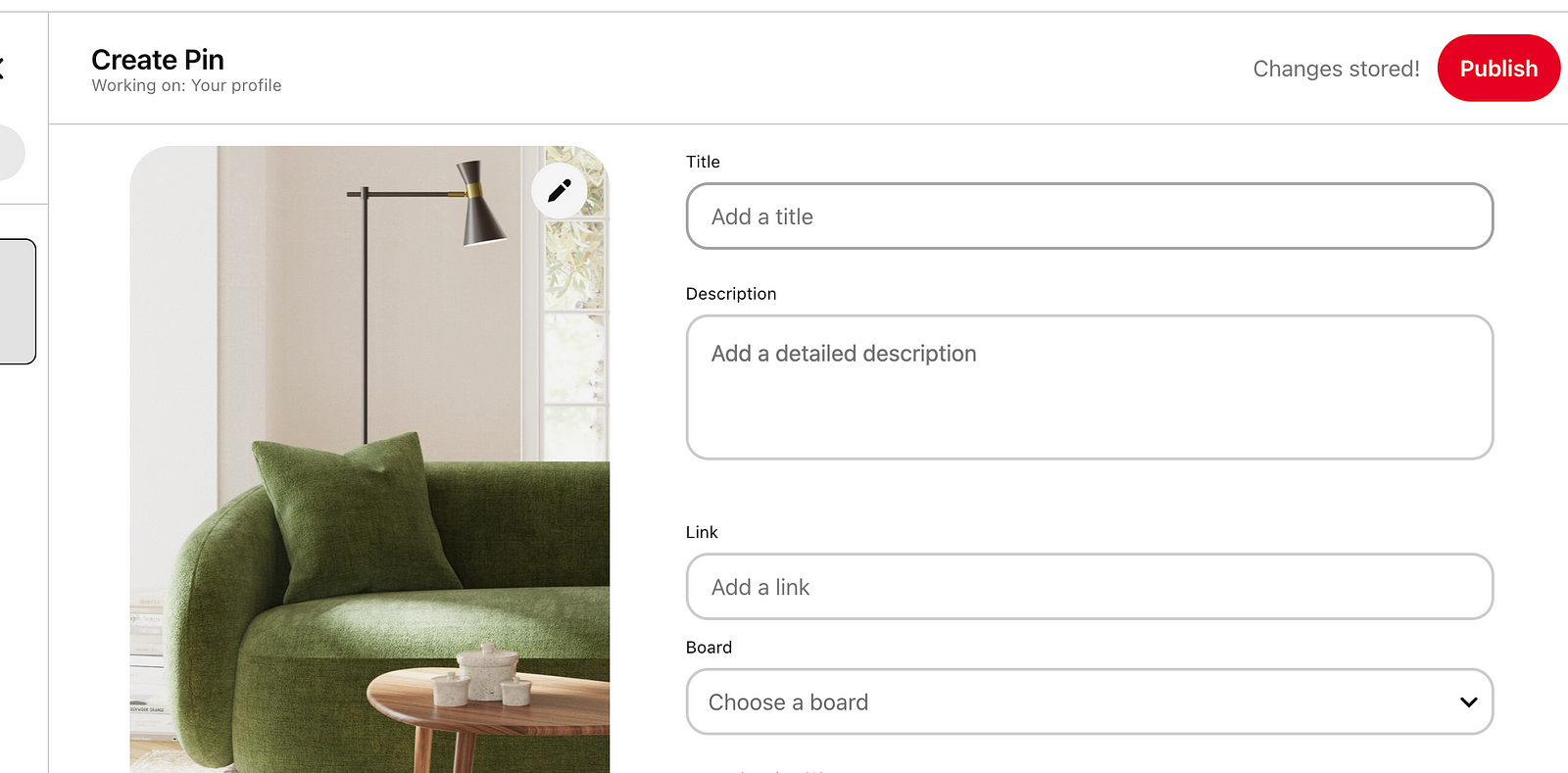
Creating visually appealing and searchable pins is key to Pinterest success. I used Canva to design pins and repurposed high-quality images from brand websites. Don’t forget to include your affiliate links in each pin and optimize them with relevant keywords and hashtags.
Many Pinterest marketers recommend creating multiple themed boards — this helps users discover your pins more easily. I created separate boards for living room, bedroom, and kitchen furniture to ensure my pins were organized and easy to find.
Step 5: Consistency is Key
Like any side hustle, consistency is important. Pinterest recommends posting 2–3 pins a day, which can feel overwhelming. However, Pinterest’s scheduling tool for business accounts makes it easier to plan out pins in advance. I spent one day a month scheduling my content, which saved time and mental energy.
My Results After 90 Days
After three months of pinning and scheduling, I made… drumroll… 30 cents. Yes, just 30 cents.
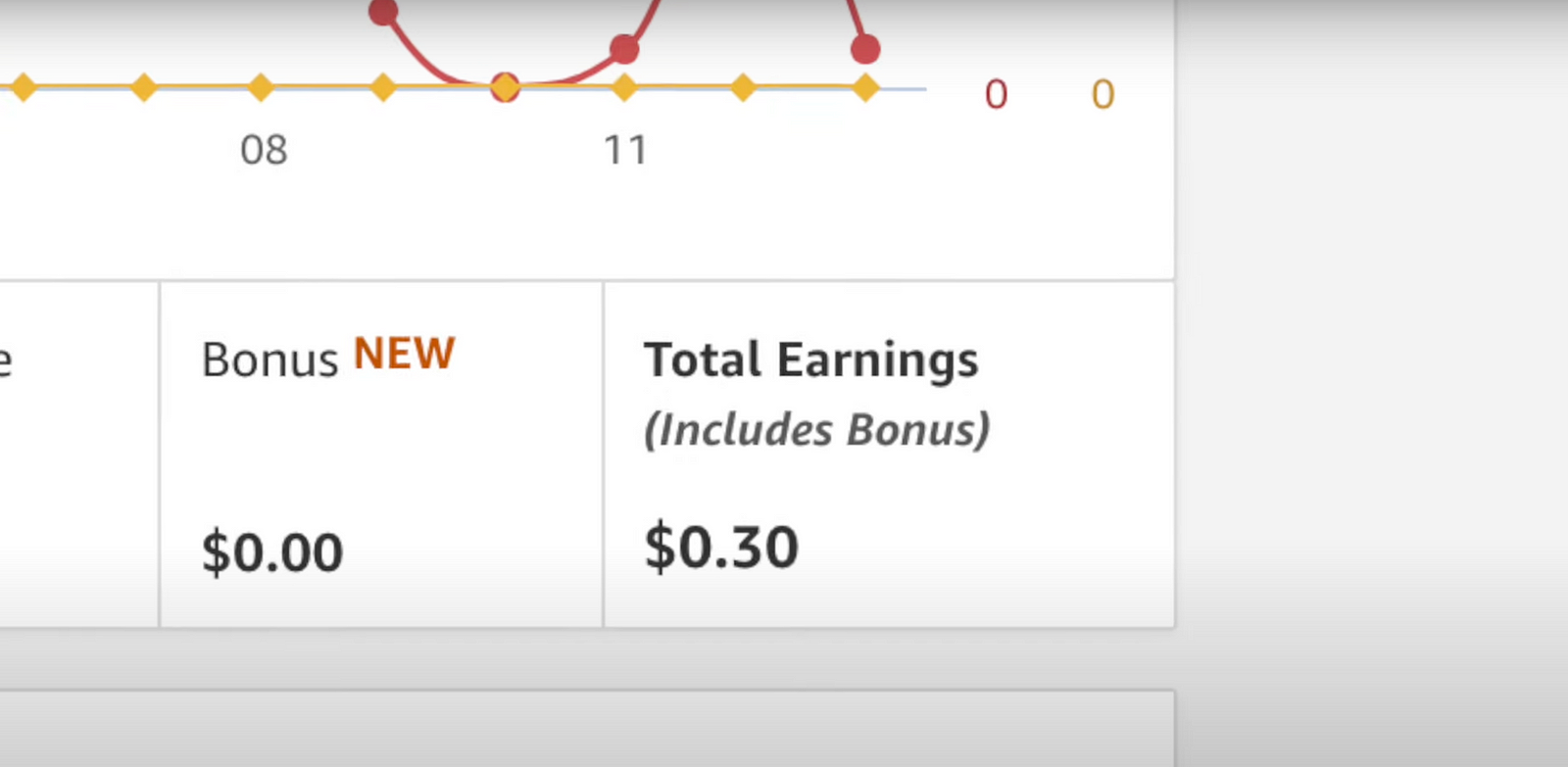
Honestly, it was far less than I expected, especially compared to the impressive results others on YouTube seem to boast about. But it didn’t surprise me. Like most side hustles, success with Pinterest affiliate marketing takes time, trial, and error. It’s not an overnight success story — something many YouTubers seem to gloss over.
It took me about three months to see any commission at all. While 30 cents is nothing to write home about, it’s a starting point. I plan to keep experimenting with different niches and pin styles to see if I can improve my results over time.
Final Thoughts
So, is Pinterest affiliate marketing worth it? If you’re looking for an easy, passive side hustle that doesn’t take much time, it could be a fun option — especially if you enjoy curating beautiful, aesthetic content. Just don’t expect to get rich overnight.
If you decide to try it out, let me know in the comments below how it works out for you. And if you’d like an update on my progress down the line, be sure to subscribe and hit the like button to stay tuned!
 Christina's Side Hustles
Leave a comment