
It seems like everyone and their mother has a podcast these days, right? Don’t get me wrong — I love podcasts. But with so many people jumping into the world of audio content, it made me wonder: is there money in it? In today’s post, I’m going to walk you through my journey of producing my very first podcast episode using just a microphone and Riverside FM. We’ll discover together just how easy (or hard) it is to start a podcast and explore different ways to monetize your audio content.
Step 1: Picking Your Niche (aka Your Podcast Style)
Before you groan at the word “niche,” let me clarify what I mean. By niche, I’m talking about the style and format of your podcast. Are you going to fly solo with a one-person show? Will you conduct interviews? Maybe you’re focusing on educational topics, or perhaps you’re leaning into storytelling. Personally, I’m a big fan of true crime podcasts. Whatever you choose, make sure it’s something you’re passionate about and can sustain over time.
Step 2: Planning Your Podcast Content
Once you’ve decided on your podcast style, it’s time to plan. Many podcast creators prefer to map out their topics in advance. When it comes to scripting, it’s really up to you. Some podcasters like to write out detailed scripts, while others might just draft a rough outline. The key is finding what works best for your style and helps you stay on track.
Step 3: Setting Up Your Equipment
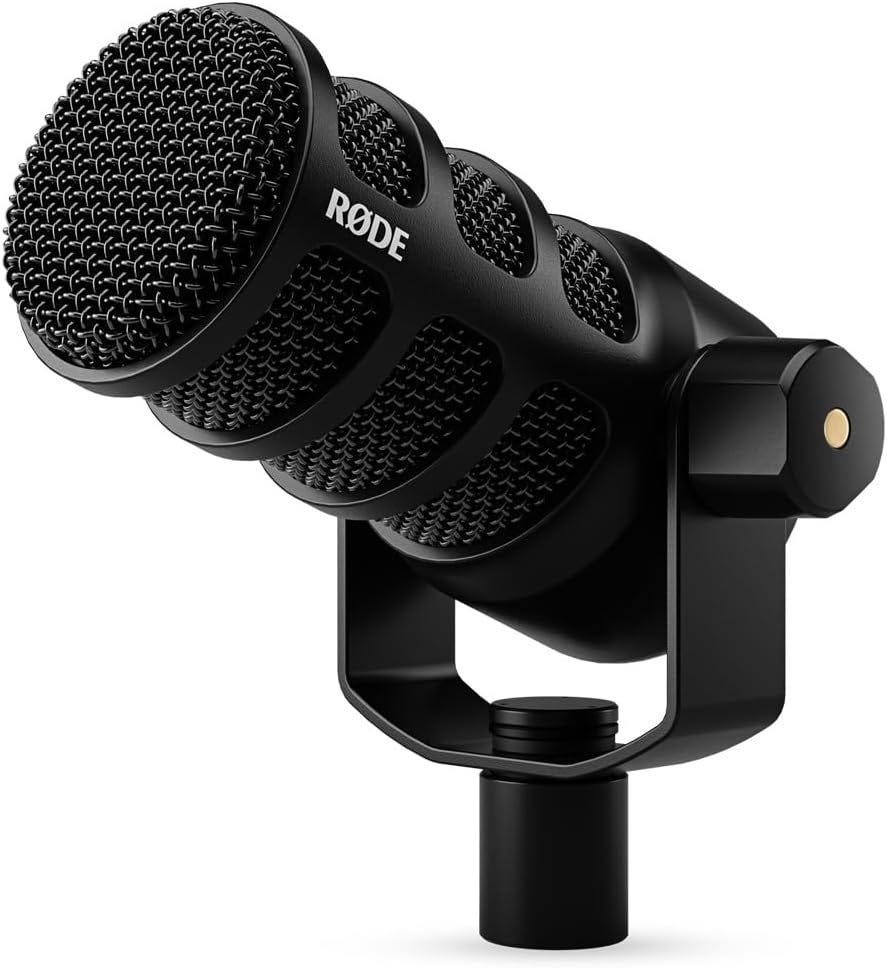
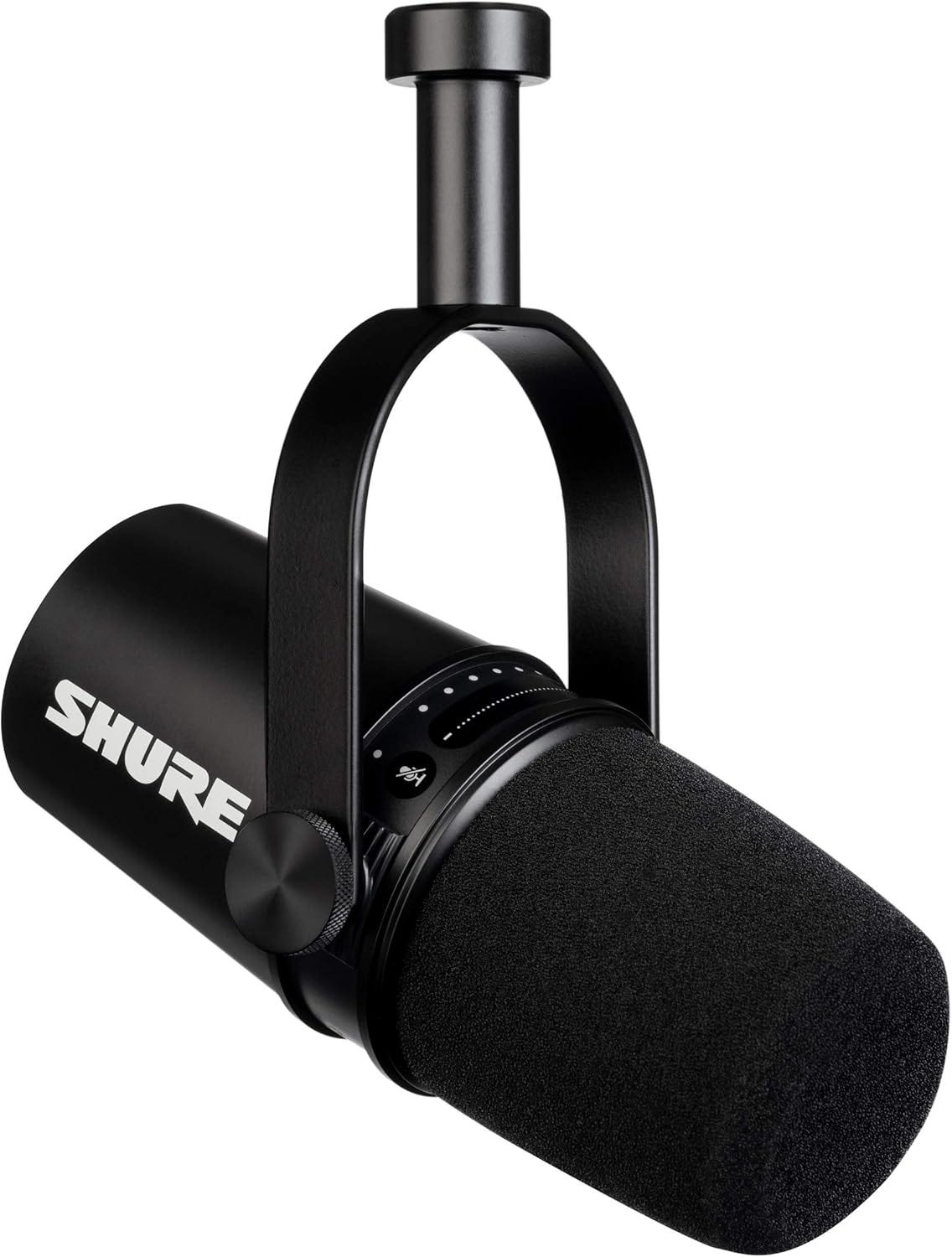
One of the great things about starting a podcast is that it doesn’t require a ton of gear. If you’re sticking to a traditional voice-only podcast, all you really need is a good microphone and your laptop. Popular choices among podcasters include the Shure MV7, Blue Yeti, and various Rode microphones. These can be a bit pricey, but they’re still more affordable than setting up a full YouTube studio with a DSLR camera, lighting, and more.
If you’re on a budget, you can start with what you have — like your smartphone or basic headphones. But if you have the funds, I highly recommend investing in a quality microphone. Today, I’m excited to be unboxing the legendary Blue Yeti, which I’ve been eyeing for a while. It’s huge — almost as big as my head — but I can’t wait to start using it.

Step 4: Recording with Riverside FM
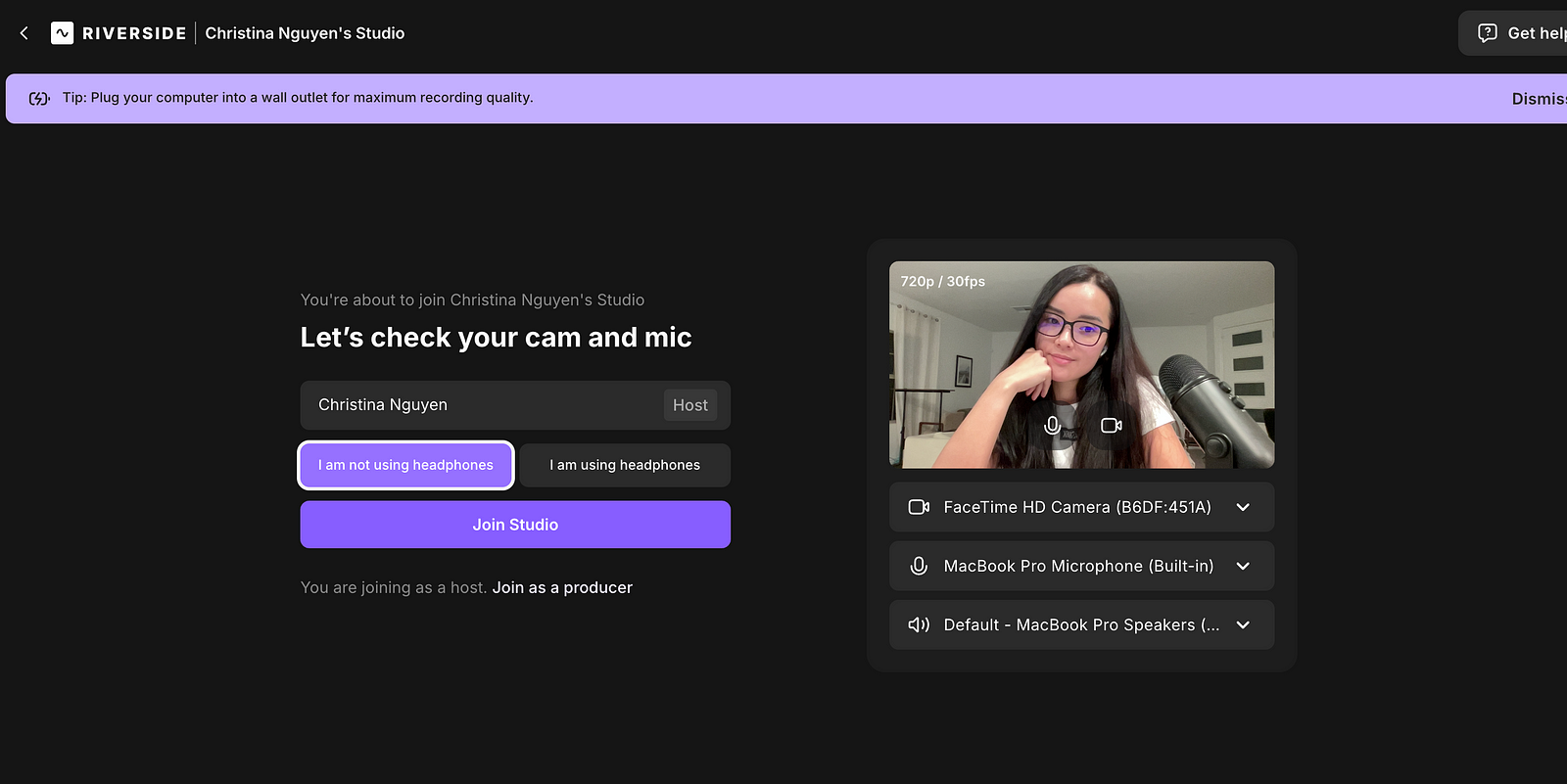
Now that the gear is set up, it’s time to record! I’m using Riverside FM, an all-in-one web-based platform designed for recording high-quality audio and video content. It’s a favorite among podcasters and content creators for its robust features, like local recording, screen sharing, AI transcription, text-based editing, and more. I’ve found Riverside to be beginner-friendly, and it has made my podcasting experience much smoother.
Use code CHRISTINASH for 15% off Riverside.fm
Step 5: Editing Your Podcast
Editing is where the magic happens — but it can also be a bit cringey, especially if you don’t like the sound of your own voice. Don’t worry if you mess up; that’s what editing is for. Riverside’s text-based editor is a lifesaver, allowing you to make changes without constantly replaying your audio. The platform also offers AI tools to remove awkward pauses and filler words automatically.
My favorite feature has to be Magic Clips, which generates vertical video clips with captions that you can repurpose for social media. Even though I wasn’t camera-ready during my recording, these clips are perfect for sharing on Instagram or YouTube Shorts.
Monetizing Your Podcast
Now, let’s get to the part everyone’s curious about: making money from your podcast. There are several ways to monetize your content:
- Sponsorships: This is the most common route, where companies pay you to promote their products or services during your podcast. However, building a large enough audience to attract sponsors can take time.
- Affiliate Marketing: Promote products or services you love and earn a commission for every sale made through your referral link. This is a great option if you’re discussing topics that naturally align with specific products.
- Memberships and Subscriptions: Platforms like Patreon allow you to offer premium content to your listeners in exchange for a monthly fee. This can include bonus episodes, early access to content, or even behind-the-scenes footage.
- Repurposing Content: If you’re already creating video content, you can easily turn that into a podcast. This way, you can monetize the same piece of content on multiple platforms. You can also repurpose your audio recordings into blog posts, which is another way to generate income, especially if you include affiliate links.
Conclusion
Starting a podcast is easier than ever, and with the right tools and strategy, it can be a fun and rewarding side hustle. I hope this post has inspired you to take the plunge and start your own podcast. Let me know in the comments if you’re thinking about starting one and what it would be about!
If you enjoyed this post, don’t forget to hit the like button — it really helps me grow. And if you’re interested in more content about side hustles, passive income, and entrepreneurship, be sure to subscribe to my channel. I release new videos every Wednesday, so you can always stay updated.
Thanks for reading, and I’ll see you in the next one!
 Christina's Side Hustles
Leave a comment